When it may be relevant
Terms in simple English.
A company might consider it when useful value is tied up in assets but selling them would interrupt trading. The asset must be identifiable, acceptable to the finance provider and worth enough after any existing settlement; the agreement may give the provider ownership or security rights, so an essential asset can be at risk if payments are missed.
- Asset refinance
- New funding raised against an asset the business already owns or already has on finance.
- Equity in an asset
- The asset's current acceptable value minus any finance that still has to be repaid on it.
- Settlement figure
- The amount needed on a stated date to repay and close an existing finance agreement.
- Security
- An asset or legal right a provider may rely on if the company does not meet the agreement.
- Sale and leaseback
- A structure where the business sells an asset to a provider and then pays to keep using it under a lease.
How it works
How asset refinance works in three stages.
The exact agreement can vary. These are the core mechanics to clarify before comparing terms.
The asset and ownership are checked
The company usually provides invoices, serial or registration numbers, maintenance information and details of any finance already secured on the asset. A provider needs to establish that the business can refinance it and that no undisclosed third-party rights remain.
Current value is assessed
The relevant figure is normally a provider's present forced-sale or market assessment, not the asset's original price or its accounting value. Age, condition, location, specialist use and ease of resale can reduce the value available for funding.
Settle existing finance and repay the replacement agreement
New funding may first settle an existing agreement, leaving only the balance after settlement, fees and deductions as usable cash. The company then makes scheduled payments under the replacement contract, whose legal documents determine title or security, use restrictions, maintenance duties and end-of-term treatment.
The business reason
Why a business may explore asset refinance.
Start with the commercial need, timing and intended result. The product name comes later.
Release cash without stopping use of an asset
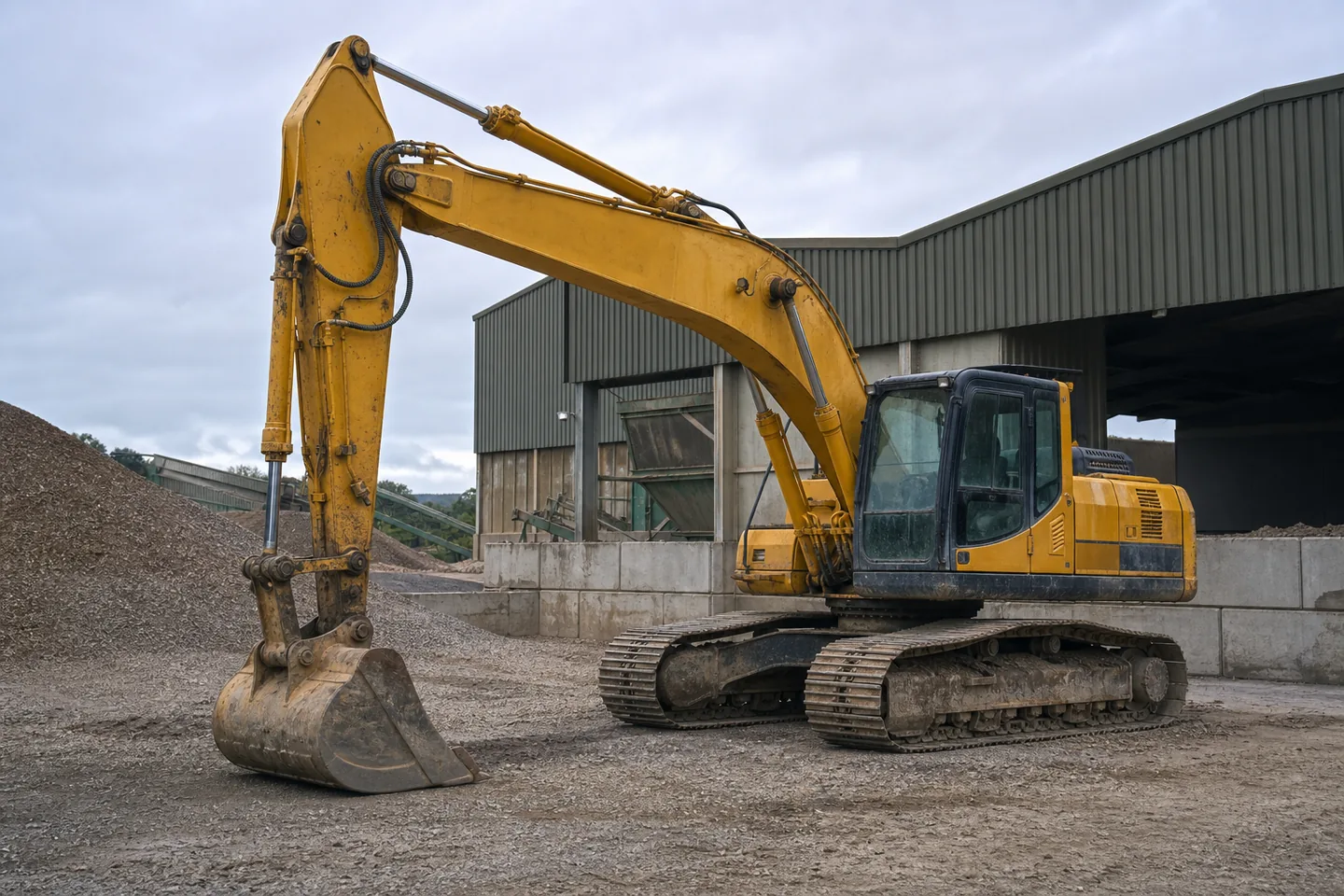
A working machine or vehicle may hold value that the company cannot otherwise spend. Refinancing can turn part of that value into working capital while the business normally keeps using the asset under the new agreement.
Replace an existing finance arrangement
A company may want to settle an existing agreement and put a new facility in place, for example to change the repayment profile or release additional value. The old settlement and all new costs need to be included in the comparison.
Match borrowing to identifiable business assets
A business may prefer asset-backed funding when the money it needs cannot be supported by unsecured cash-flow lending. This does not make approval automatic: ownership, value, condition, age and resale demand remain important.
Costs and repayment
Costs and repayment questions for asset refinance.
Use written terms and a cautious cash-flow view. Headline pricing alone does not show the full commitment.
Cost and repayment checklist
Compare net proceeds, not just the facility
Subtract any old settlement, valuation charge, documentation fee and other deductions to find the cash the business will actually receive.
Calculate the full new repayment cost
Add scheduled payments, interest or finance charges, arrangement fees, servicing costs and any final payment. A lower monthly figure can cost more overall if the term is longer.
Check early-exit and default provisions
Ask for the method used to calculate an early settlement and review late-payment, default and enforcement terms before committing an essential asset.
Preparation checklist
- An asset schedule with identification, age, location, condition and estimated current value
- Purchase invoices, registration records or other ownership evidence if requested
- Current agreements and settlement figures for financed assets
- Maintenance history, photographs, valuations or inspections only if requested through a secure route later
- A concise use-of-funds plan and the broad source from which payments would be supported
Important checks
Where asset refinance may fit—and what to check.
May suit
These possible benefits depend on the business, agreement and underlying plan.
Keeps productive equipment in operation
The company may raise cash without an outright disposal that removes the equipment from day-to-day use.
Can unlock value built up over time
An owned asset, or the equity remaining after an existing settlement, can support funding that would not be available from turnover alone.
Provides a defined repayment structure
An agreed term and payment schedule can be easier to plan than relying on repeated short-term cash fixes, provided the payments remain affordable in weaker trading months.
Check first
Test the weaker case and understand what happens if timing or performance changes.
Prove title and check existing charges
Confirm who legally owns the asset and obtain a current settlement figure for any finance. A provider cannot safely rely on value already pledged elsewhere, and the same asset value cannot support two facilities without agreement.
Understand the valuation basis
Ask what value was used, who assessed it and how much margin the provider retains. A specialist asset with a high purchase price may have a much lower resale value.
Protect business continuity
Model what would happen if the company could not pay. If the asset is essential to production or deliveries, repossession could reduce revenue at the same time the business is under pressure.
Read the end-of-term and use conditions
Check ownership, purchase or extension options, maintenance and insurance duties, mileage or usage restrictions and any conditions for moving, modifying or selling the asset.
Alternatives
Other routes to compare.
Compare timing, total cost, flexibility, security and repayment on the same basis.
Business loan
A term loan may suit a company that can support repayments from trading and does not want the facility tied specifically to an asset.
Invoice finance
A business with suitable business-to-business invoices might raise working capital against receivables instead of putting equipment at risk.
Sell a non-essential asset
An outright sale avoids new repayments but permanently gives up the asset and may create replacement, operational, accounting or tax consequences.
Straight answers
Common questions
What asset information should the business prepare?
Begin with identifiable machinery, commercial vehicles, plant or specialist equipment and document ownership, condition, location, useful life and any existing finance. No asset category or value should be assumed acceptable from an online description.
What should be checked where an asset already has finance?
Check the current agreement, legal title, settlement figure, asset value and replacement structure. Any settlement, fees and deductions reduce the net cash shown in the final documents.
What determines continued use of the machinery or vehicles?
Confirm in the written agreement whether the company keeps possession, transfers title or grants security, together with insurance, maintenance, location, sale and alteration conditions.
How much working capital could be released?
There is no reliable amount based only on original cost, book value or an online estimate. Use current valuation evidence, subtract settlements and fees, and test the proposed payments against cautious cash flow.
What happens if payments are missed?
The agreement may allow the provider to repossess the refinanced assets or restrict their use, which could disrupt trading. The complete payment profile, total cost, security, guarantees and breach terms should be understood before proceeding.
What alternatives should be compared?
Depending on the cause of the cash need, alternatives may include a general business loan or revolving facility, invoice finance, changing an existing facility, staged spending, supplier terms, equity funding or selling only surplus assets. Each route has different costs, controls and risks.
Is an asset worth the amount shown in the accounts?
Not necessarily. Book value is an accounting figure; a finance provider may use current market or forced-sale value after considering age, condition, demand and removal costs.
Why can removal costs reduce an asset valuation?
A valuation may allow for inspection, de-installation, transport, storage and resale rather than assuming the asset can be sold in place at its accounting value. Those practical costs can reduce the value available to support a transaction.
Does refinancing mean the company still owns the asset?
Not always. Some structures transfer title to the provider and hire or lease the asset back; others use security. The agreement, not the marketing label, determines legal ownership and end-of-term rights.